
Cat Flea Comb: A Complete How-To Guide for Pet Owners

You part your cat's fur, spot a fast black speck, and your stomach drops. That reaction is normal. Fleas make people feel behind, embarrassed, and suddenly very urgent.
The good news is that you can respond calmly. A cat flea comb gives you something useful to do right away. It helps you confirm whether you're dealing with live fleas, flea dirt, or just ordinary debris in the coat. Just as important, it lets you start helping your cat immediately without turning the whole house upside down in a panic.
Your First Line of Defense Against Fleas
The first time most owners reach for a flea comb, it's because something looks off. Maybe the cat is scratching more than usual. Maybe you saw tiny dark crumbs near the base of the tail. Maybe a single flea darted out of sight before you could even be sure you saw it.
That's exactly where a flea comb earns its place. It isn't only a removal tool. It's a diagnostic tool. A few careful passes through the coat can tell you whether you're looking at an active problem, early signs, or a false alarm.
Why this tool still matters
Mechanical flea removal has been part of pet care for a long time. The idea of combining grooming and pest control goes back decades. The Comb-A-Flea Atomizer, patented in 1952, was made to groom pets while delivering flea powder through a squeezable bulb, which shows that owners have long wanted practical, integrated flea-control tools, as noted by The Pet Historian's look at the Comb-A-Flea Atomizer.
That history matters because it reminds us of something simple. People have been trying to make flea control less messy and more manageable for a long time. The flea comb has stayed relevant because it works in a direct, low-drama way.
A flea comb slows the situation down. Instead of guessing, you can inspect the coat and act with purpose.
What it does well right away
A cat flea comb is especially useful when you need to:
- Check suspicious areas like the neck, shoulders, or base of the tail
- See what's really in the coat before choosing your next step
- Remove fleas manually during a grooming session
- Build a routine instead of only reacting once the itching gets obvious
If you want a quick refresher on the basics of the pest itself before you start, this guide can help you learn about fleas in plain language.
Used this way, the flea comb becomes part of normal wellness care. It's not only for emergencies. It's one of the easiest ways to stay in touch with your cat's comfort, skin condition, and coat health.
Selecting the Best Flea Comb for Your Cat
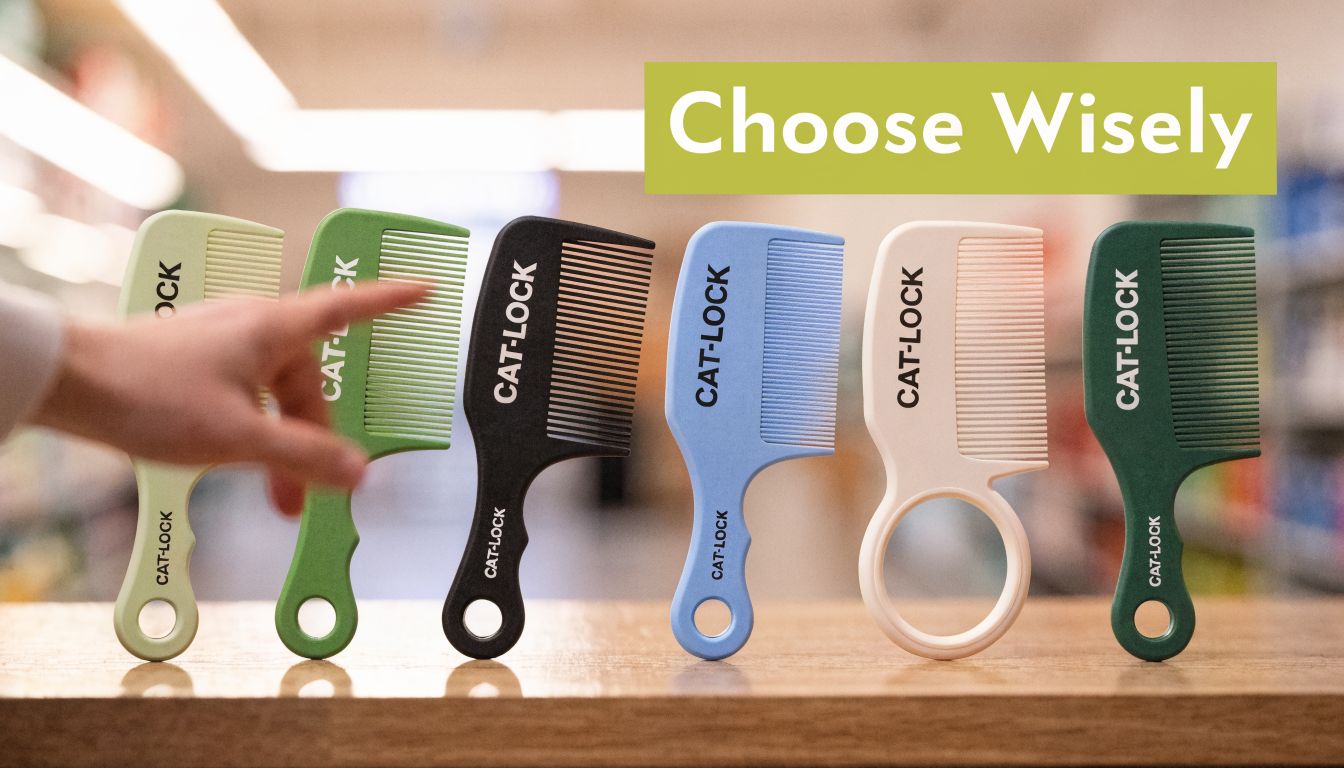
Not every comb labeled for fleas is worth buying. Some are too flimsy, some have teeth that are too wide, and some feel uncomfortable in your hand before you've even finished one side of the cat.
What to look for first
For maximum effectiveness, a professional-grade cat flea comb should have 32 tightly spaced stainless steel teeth per inch, which is what allows it to catch both adult fleas and eggs, according to this flea comb specification guide.
That single detail matters more than most packaging claims.
Here's a practical comparison:
| Feature | What works | What usually disappoints |
|---|---|---|
| Teeth material | Stainless steel | Plastic teeth that flex or snag |
| Teeth spacing | Very tight spacing | Wide spacing that misses debris |
| Handle | Secure, comfortable grip | Slippery or cramped grip |
| Durability | Holds up to washing | Warps, bends, or loosens quickly |
Metal vs plastic in real use
A metal comb usually glides more predictably and keeps its shape. Plastic teeth can be fine for light grooming, but flea removal asks more from the tool. You're working close to the skin, through different coat textures, and often repeating passes in the same areas. A comb that bends under pressure doesn't inspire confidence.
Handle design matters more than people expect, too. If your cat has a dense coat or limited patience, your hand comfort affects your technique. An awkward grip makes owners rush. Rushing makes cats resist.
If you're building out your grooming setup beyond flea control, it helps to compare tools side by side with a broader guide to the best grooming tools for cats.
A sensible buying rule
Buy one flea comb that's sturdy enough to keep, wash, and reuse regularly. If you want one option among many, Pet Magasin carries grooming tools for cat owners who want practical everyday equipment. The key isn't the brand name on the package. The key is a comb with tight stainless steel teeth, a solid handle, and no wobble.
Setting the Stage for a Calm Combing Session
The mood in the room matters. If your cat is already tense, even a good comb and good technique can turn into a wrestling match.
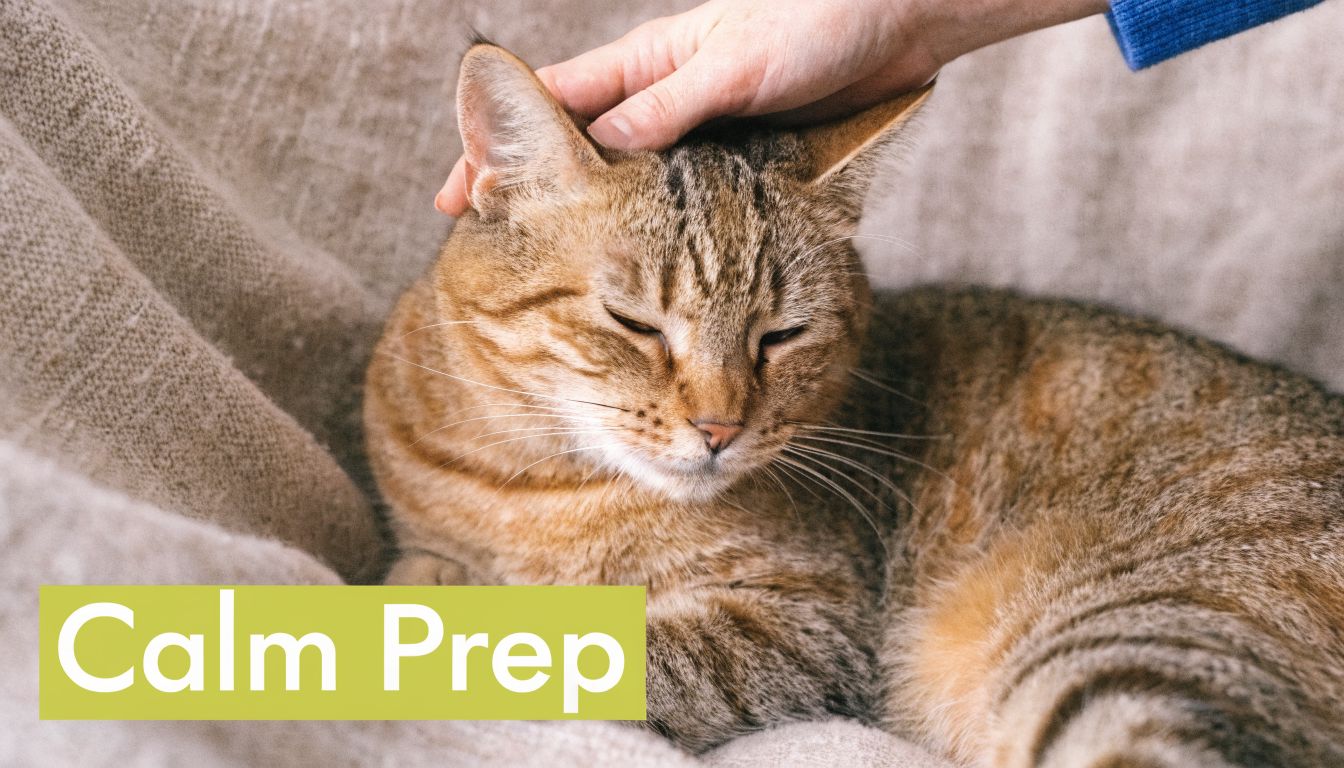
The easiest sessions happen when the cat is naturally quiet. After a meal, during a favorite nap window, or while sitting in a familiar spot often works better than trying to catch the cat mid-zoomies or after a stressful trip.
Set up before you touch the cat
Have everything within reach first. Stopping halfway through to hunt for dish soap or a towel breaks the rhythm and usually breaks your cat's patience too.
Keep these nearby:
- The flea comb
- A bowl of lukewarm soapy water
- A towel for your lap or table surface
- Treats your cat values
- A regular brush if the coat has loose fur or small tangles
Keep the session emotionally simple
Start with a few normal pets. Let the cat sniff the comb if that helps. If your cat dislikes being handled, don't aim for a perfect full-body session on the first try. A calm minute is better than a stressful ten.
Practical rule: If your cat's body gets stiff, the tail starts flicking sharply, or the ears flatten, pause before the session turns into a fight.
For cats that struggle with touch or grooming, it helps to borrow calming ideas from everyday handling routines. This guide on how to calm an anxious cat gives useful ways to lower the pressure before you start.
Small choices that reduce stress
A few details make a big difference:
- Use a stable surface so your cat doesn't feel wobbly
- Keep your voice low
- Work in short rounds if needed
- Reward after cooperation, not only at the very end
The goal is simple. You want your cat to connect flea combing with gentle touch, relief, and predictability. That makes the next session easier, which matters because flea control rarely ends in one sitting.
The Art of Effective Flea Combing Technique
Technique matters more than force. The best flea combing is methodical, light-handed, and boring in the best possible way.
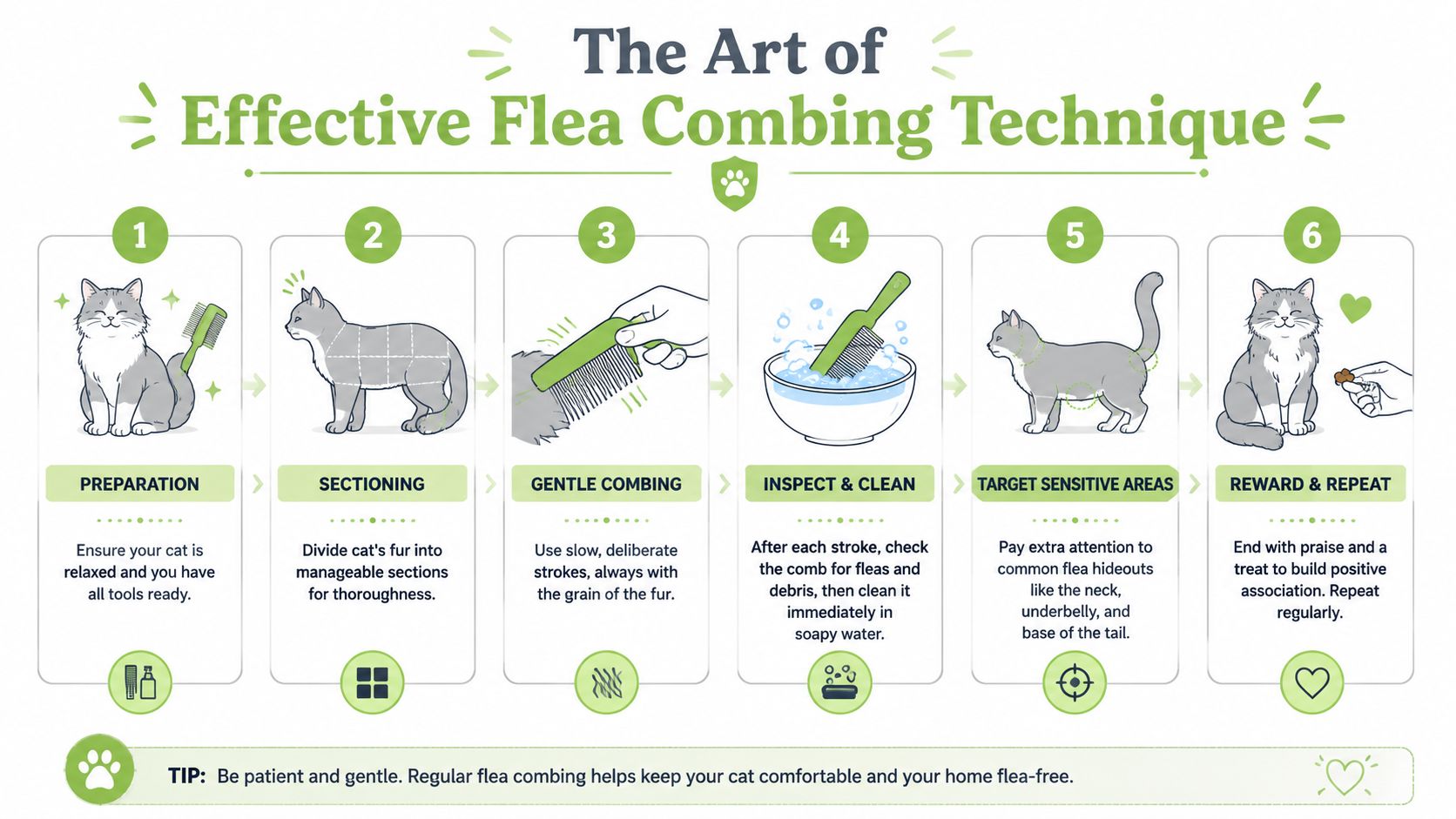
A useful visual can help if you want to see the overall flow before you begin.
How to make each pass count
For active infestations, veterinary guidance recommends daily combing until the infestation clears. For routine prevention on a short-haired cat, a weekly check is sufficient, and even indoor cats on preventatives should still be checked weekly, according to PetMD's guidance on how to use a flea comb on cats.
The rhythm is straightforward:
- Start with the grain of the fur. Use slow, steady strokes instead of quick flicks.
- Stay close to the skin without scraping it. You're trying to catch fleas where they hide, not rake the coat.
- Work in sections. Don't comb randomly.
- Dip the comb into lukewarm soapy water after each pass. That traps what you've collected instead of letting it escape.
- Check the teeth every time. Fleas, eggs, and dark debris can collect fast.
If your cat has a thicker coat, part the fur gently with your fingers so the comb can reach where it needs to work.
Where fleas like to hide
Some body areas deserve more attention than others. Focus on:
- The base of the tail
- The neck
- The shoulders
- The underarm area
These are common hiding spots and often the first places where a comb reveals what's going on.
This video can help if you want to see handling and pacing in action before trying it yourself.
What works and what usually fails
Good flea combing feels almost slow-motion. Owners get better results when they move deliberately and keep repeating the same pattern. What tends to fail is speed, inconsistent pressure, and skipping the soapy-water step.
For cross-checking your handling approach, some groomers also share effective flea comb techniques that apply well to careful coat work in pets generally.
Slow strokes remove more than rushed ones because you give the comb time to catch what's tucked close to the skin.
A cat that's fussy about grooming may only tolerate a few minutes. That's fine. Do a careful partial session, reward generously, and come back later. Consistency beats one heroic attempt.
Post-Combing Cleanup and Comb Care
Once you've finished combing, don't stop at the cat. Flea control falls apart when the cleanup is sloppy.
What to do right after the session
Your first job is to deal with anything the comb removed. Fleas and debris left sitting in the comb or on a towel can end up right back in your environment.
A clean finish looks like this:
- Empty and dispose of the soapy water carefully
- Shake out or wash the towel if debris fell onto it
- Check the area where you groomed, especially if your cat wriggled during the session
- Wash your hands and tools before putting everything away
If you used newspaper or a light-colored towel under the cat, inspect it before discarding or laundering it. That small step helps you spot anything that dropped off during grooming.
Clean the comb properly
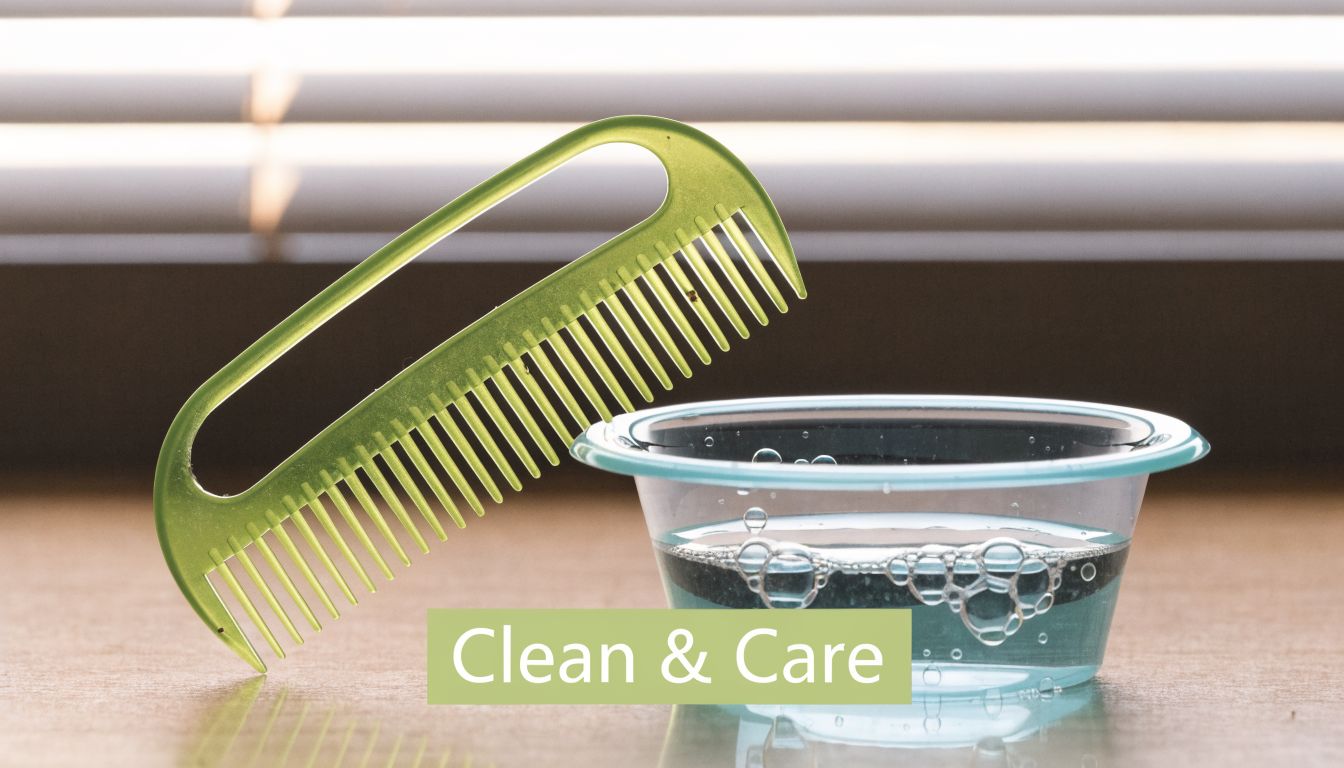
A flea comb should be washed after each session with warm soapy water so eggs and debris don't stay trapped between the teeth. A stainless steel comb is especially useful here because repeated washing is part of normal use.
Use your fingers or a small brush to clear out buildup between the teeth. Then rinse and dry the comb fully before storing it. Putting away a damp, dirty comb makes the next session worse and can undermine the work you just did.
Clean tools matter. A flea comb that still holds debris is not ready for the next cat, or even the next pass.
Don't ignore the room
Post-combing cleanup also includes the environment. Vacuum floors, soft furniture, and the places your cat rests after grooming. If you skip that step, you can remove fleas from the cat and still leave the home ready for another round of trouble.
Pay close attention to bedding, favorite nap spots, and crevices near upholstered furniture. Combing the cat helps the animal in front of you. Cleaning the environment helps make that effort stick.
When the Comb Is Not Enough
A cat flea comb is useful, but it has limits. Owners run into trouble when they expect combing alone to solve every flea problem.
Veterinary guidance stresses that flea combs work best as part of a broader approach. Pre-combing with a regular brush to remove mats and post-combing vacuuming are both important parts of success, as explained in Waggel's guide to using flea combs for cats.
Signs you should escalate
If any of the following are happening, it's time to stop relying on the comb alone and contact your veterinarian:
- Persistent scratching that isn't settling down
- Hair loss or irritated skin
- A cat that seems increasingly uncomfortable despite repeated sessions
- A coat so matted that the comb can't reach the skin properly
- A heavy flea presence that keeps returning
Long-haired cats with dense mats often need grooming help before flea combing can even be effective. If the comb can't move cleanly through the coat, you're not really reaching the problem areas.
The comb's real role
The strongest way to think about a cat flea comb is this. It's your inspection tool, removal tool, and monitoring tool. It is not always the whole treatment plan.
If you're unsure whether what you're seeing points to a larger flea issue, this article on signs your cat may have fleas can help you judge the situation more clearly.
Owners usually get the best results when they combine calm coat checks, proper grooming prep, environmental cleanup, and veterinary-approved prevention or treatment when needed. That's how you break the cycle instead of chasing it.
Frequently Asked Questions About Cat Flea Combs
Can I use a dog flea comb on my cat
Sometimes, yes, if the comb is small enough, fine enough, and gentle on the cat's coat. The concern isn't the label on the package as much as the fit and handling. A bulky comb made for a larger dog can feel clumsy on a cat's neck, underarms, and tail base.
For cats, a smaller comb with tight metal teeth usually gives you more control.
What if my cat hates being combed
Lower the goal. Don't aim for a full perfect session. Try a few strokes during a naturally calm moment, then stop while your cat is still coping well.
These adjustments usually help:
- Keep sessions short at first
- Start in easy areas like the shoulders rather than the belly
- Pair the comb with rewards
- Take breaks before irritation builds
Some cats accept combing much better when it feels like normal petting with an occasional inspection pass mixed in.
How do I tell flea dirt from ordinary dirt
Use a simple damp-paper test. If the dark specks smear reddish-brown, that points to flea dirt. If they stay looking like plain grit, they may just be debris from the coat or environment.
This test is useful when you don't catch a live flea but still suspect something is going on.
Is a flea comb enough on its own
Sometimes it helps a lot, but it isn't always enough to fully resolve the problem. A flea comb removes what is on the cat right now. It does not, by itself, control what may still be in bedding, furniture, rugs, or outdoor areas.
If your cat goes outside or spends time near entryways and porches, home care may need to extend beyond the coat. For owners dealing with outdoor exposure, this guide to protecting your yard from flea infestations is a useful companion to indoor cleanup.
How often should I check if my cat seems fine
Regular checks are smart, especially during times of year or in places where fleas are more active. Even when your cat looks comfortable, quick routine combing helps you catch changes early.
What's the biggest mistake owners make
Usually, it's one of two things. They either comb once and assume the problem is solved, or they focus only on the cat and ignore the environment. Flea control works better when you stay calm, repeat the process, and clean the spaces your cat uses every day.
If you're updating your grooming kit or looking for practical pet care tools, Pet Magasin offers supplies designed to make everyday care easier for owners who treat pets like family.

Leave a comment