


Discover dog incontinence natural remedies: Practical tips that work

When you find a wet spot on your dog’s bed or notice little drips on the floor, it's easy to get frustrated. But before you jump to conclusions about a house-training setback, it’s important to understand what’s really going on.
True incontinence isn't a behavior problem—it's an involuntary leak. Your dog has zero control over it. Shifting your mindset from frustration to problem-solving is the first, most crucial step. This isn't about discipline; it's about getting to the root of a medical issue.
What's Behind the Leaks and Drips?
Once you realize your dog isn't doing this on purpose, you can start looking for the cause. Figuring out why your dog is leaking is the key to finding the right solution, and this part of the journey is best started with your veterinarian.
Common Causes of Canine Incontinence
Several things can cause a dog's bladder control to go haywire. Here are a few of the most common culprits a vet will investigate:
- Hormonal Imbalances: This is a big one, especially for spayed female dogs. When estrogen levels drop after spaying, the muscle that holds urine in the bladder (the urethral sphincter) can become weak. Vets often call this Urethral Sphincter Mechanism Incompetence (USMI).
- Age-Related Weakness: Getting older affects dogs just like it does us. The muscles controlling the bladder can lose their tone over time, leading to leaks—especially when your dog is relaxed or fast asleep.
- Urinary Tract Infections (UTIs): A simple bacterial infection can make the bladder inflamed and irritated. This creates a constant feeling of urgency, often leading to accidents because your dog just can't hold it.
- Spinal Cord Issues: Nerves control everything, including the bladder. Damage from an injury, arthritis, or a degenerative disease can mess with the signals between the brain and the bladder, causing a major disruption.
Why Spayed Females Are More at Risk
If you have a spayed female dog, you're not imagining things—they are far more likely to develop incontinence. While only about 0.94% of male dogs experience it, studies show the rate for spayed females can be anywhere from 3% to 20%.
One major analysis even found that about 1 in 5 spayed female dogs might be affected, with leaks often starting about three years after their surgery. You can dig deeper into the science by exploring the full veterinary study on urinary incontinence in dogs.
Here's the bottom line: If your spayed female suddenly starts leaking, hormones are a very likely suspect. It doesn't mean spaying was a mistake—the procedure has proven health benefits—but it gives you a solid starting point for a conversation with your vet.
Knowing these potential causes helps you become a better advocate for your dog. But before you even think about trying dog incontinence natural remedies, you absolutely need a proper diagnosis. Trying to self-treat without knowing the real problem could mask something more serious, like bladder stones or even a tumor. Your vet is the only one who can rule out those scary possibilities and make sure you're tackling the right issue from the start.
Why Your Vet Is Your Most Important Partner
Before you even start looking into dog incontinence natural remedies, the first and most important call you need to make is to your veterinarian. I know it’s tempting to jump online and look for a quick fix at home, but this step is absolutely non-negotiable for your dog's well-being. Trying to treat it yourself without a proper diagnosis can easily mask a much more serious underlying health problem.
Leaking urine isn't a single issue; it's a symptom. It can point to anything from a simple urinary tract infection to more complex conditions like bladder stones, kidney disease, or hormonal imbalances. Your vet is the only one with the expertise and tools to figure out what's really going on. Partnering with them from day one puts you on the safest, most effective path forward.
What to Expect at the Vet Visit
A "diagnostic workup" might sound a bit intense, but it's really just a logical process to get you clear answers. Your vet will begin with a complete physical exam and a good chat about your dog's history. Be ready to share when the leaking started, how often it’s happening, and any other changes you've noticed in their behavior or routine.
From there, they'll likely suggest a few key tests to paint a full picture of your dog's urinary health.
- Urinalysis: This is the cornerstone of any urinary investigation. Your dog's urine is checked for signs of infection, inflammation, crystals, or other red flags. It’s often the very first step in diagnosing a UTI.
- Blood Work: A complete blood count (CBC) and chemistry panel can uncover deeper issues. Things like kidney disease or diabetes can sometimes show up first with urinary symptoms, and this test will spot them.
- Imaging: If your vet suspects something like bladder stones, a blockage, or a tumor, they might recommend an X-ray or an ultrasound. These give them a direct look at what's happening inside the bladder and the organs around it.
This flowchart gives you a simple visual of how a vet might approach the problem based on your dog's specific symptoms.
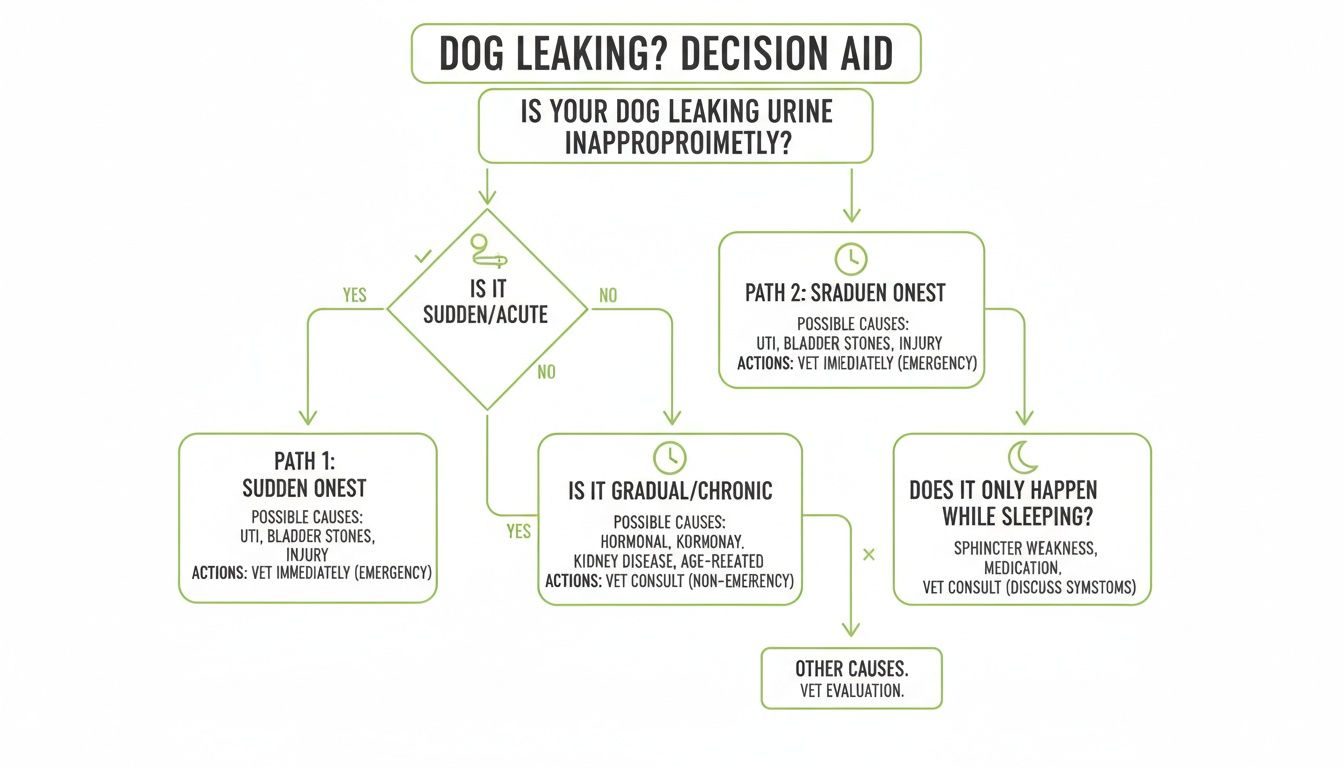
As you can see, the investigation changes depending on whether the incontinence came on suddenly, developed slowly over time, or mostly happens when your dog is asleep.
Pinpointing the Exact Cause
This detailed approach is critical because the treatment has to match the cause. Vets all over the world follow a similar comprehensive method. For example, standard protocol often starts with the owner's observations combined with a urinalysis. In trickier situations, like in 16.7% of cases in Spain and 13.9% in Italy, vets pull together history, blood work, and urinalysis for a more complete diagnosis. You can read more about these diagnostic protocols in veterinary medicine.
A precise diagnosis is your roadmap. It tells you whether you're dealing with a simple infection that needs antibiotics or a chronic condition like Urethral Sphincter Mechanism Incompetence (USMI) that requires long-term management.
Once you have that clarity, you and your vet can create a solid plan. This plan can—and should—include natural remedies, but they'll be used to support the primary medical treatment, not as a replacement for it. This teamwork approach gives your dog the best of both worlds: modern medicine and holistic support.
While you're figuring things out, using management tools like dog diapers can be a lifesaver for keeping your home clean and your dog comfortable. Just remember that proper hygiene is key to preventing skin issues. Check out our guide on dog diaper rash treatment to keep your pup’s skin healthy and irritation-free.
Fueling Bladder Health Through Nutrition
What you put in your dog's bowl has a massive impact on their entire body, and that definitely includes their urinary system. You can think of their diet as a core part of your toolkit when looking for dog incontinence natural remedies. The right food can support bladder function, cut down on irritation, and even help with hormone balance—all things that lead to better control.
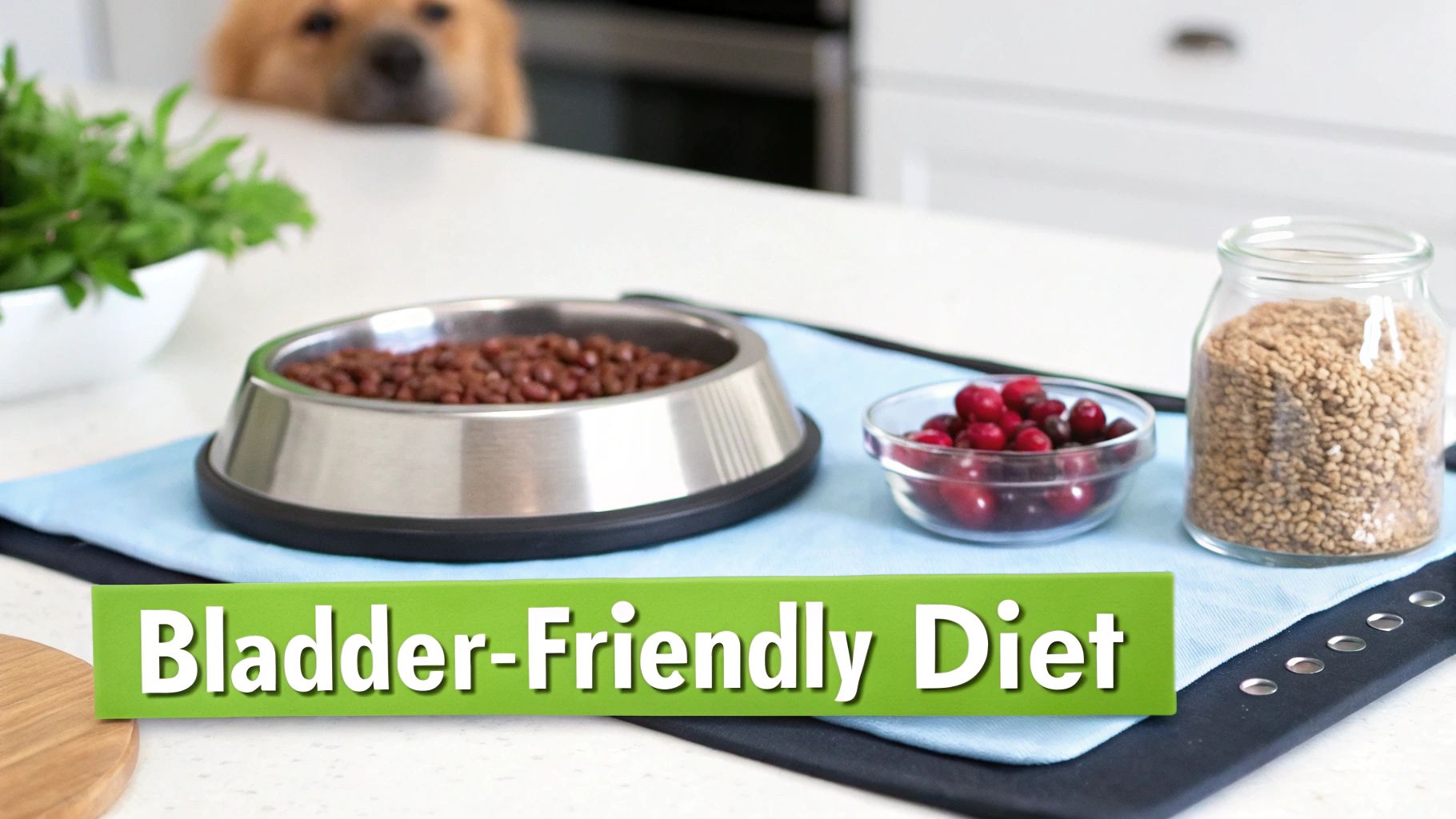
Before we get into specific foods, let's talk about one of the biggest game-changers: weight. Any extra body fat puts constant pressure on the bladder and nearby organs, which can easily make leaks worse. Helping your dog stay lean and healthy is one of the simplest, most effective changes you can make.
The Importance of a Lean Body Condition
It's a simple fact of anatomy: a lean dog has less belly fat pushing down on their bladder. This means the bladder can do its job more efficiently without being squeezed. It's a straightforward fix that often gets overlooked in the conversation about managing incontinence naturally.
So, how do you know if your dog is at a good weight? You don't always need a scale. You can get a pretty good idea right at home with two quick checks:
- The Rib Check: Gently run your hands along your dog's sides. You should be able to feel their ribs easily under just a thin layer of fat, sort of like the back of your hand. If you have to press down hard to find them, your pup might be carrying a few extra pounds.
- The Waist Check: Take a look at your dog from above. You should see a clear "waist" that tucks in behind their rib cage. If they look more like a tube or an oval from this angle, they're likely overweight.
If you think your dog could stand to lose some weight, it's always best to chat with your vet to come up with a safe and effective plan.
Adding Bladder-Friendly Foods to Their Bowl
Beyond just managing weight, some foods offer targeted support for urinary health. Slipping these into their diet can be a simple way to give their system a boost.
A key area to focus on is hormonal support, especially for spayed females who are dealing with USMI. This is where phytoestrogens come in. These are natural, plant-based compounds that gently mimic the effects of estrogen, which can help tone the urethral sphincter.
Ground flaxseed is a fantastic source of phytoestrogens. Just a small amount—maybe half a teaspoon for a small dog or up to a tablespoon for a big one—can be mixed into their regular food every day.
Remember, consistency is everything here. Adding these foods isn't a quick fix, but more of a long-term support strategy. It can take a few weeks to notice a real difference as the compounds build up in your dog's system.
Unsweetened cranberry is another great addition. Cranberries contain compounds that are believed to help prevent nasty bacteria like E. coli from latching onto the bladder walls. This is a huge help for dogs who seem to get urinary tract infections (UTIs) over and over again.
The Myth of Restricting Water
It might seem like a good idea to limit your dog's water to stop the leaks, but this is a dangerous myth. Doing this actually has the opposite effect. Restricting water makes their urine highly concentrated, which can seriously irritate the bladder lining and create the perfect breeding ground for UTI-causing bacteria.
Always make sure your dog has access to fresh, clean water. A hydrated dog produces diluted urine, which helps flush out the urinary system and keeps the bladder happy. If your dog has a UTI or is prone to them, encouraging more water intake is one of the best things you can do.
Identifying and Swapping Potential Irritants
Just like some foods help, others can cause problems. Certain ingredients are known to be potential bladder irritants, and figuring out what they are can make a huge difference for your dog. Common culprits often include:
- High-Acidity Foods: While good in some contexts, highly acidic ingredients can sometimes aggravate an already sensitive bladder.
- Artificial Additives: The colors, flavors, and preservatives found in some dog foods and treats can be a trigger for some pups.
- Certain Grains: Some dogs have sensitivities to wheat, corn, or soy that can show up as inflammation, which can affect the urinary tract.
If your dog is having bladder trouble, simplifying their diet can often point to the problem. Exploring something like a dog bland diet with your vet's guidance can be a great way to calm their system down and identify problem ingredients. Once they're stable, you can slowly reintroduce foods one at a time to see if anything causes a flare-up. It's a process, but it helps you build the perfect bladder-friendly meal plan for your best friend.
Harnessing Herbs and Supplements For Support
Once you’ve got a solid dietary foundation, you can start looking at specific herbs and supplements for a more targeted approach to your dog's bladder control. Think of these as natural allies in your toolkit for managing leaks. Many have been used for generations to support urinary health, offering a gentle way to help your dog’s system get back on track.
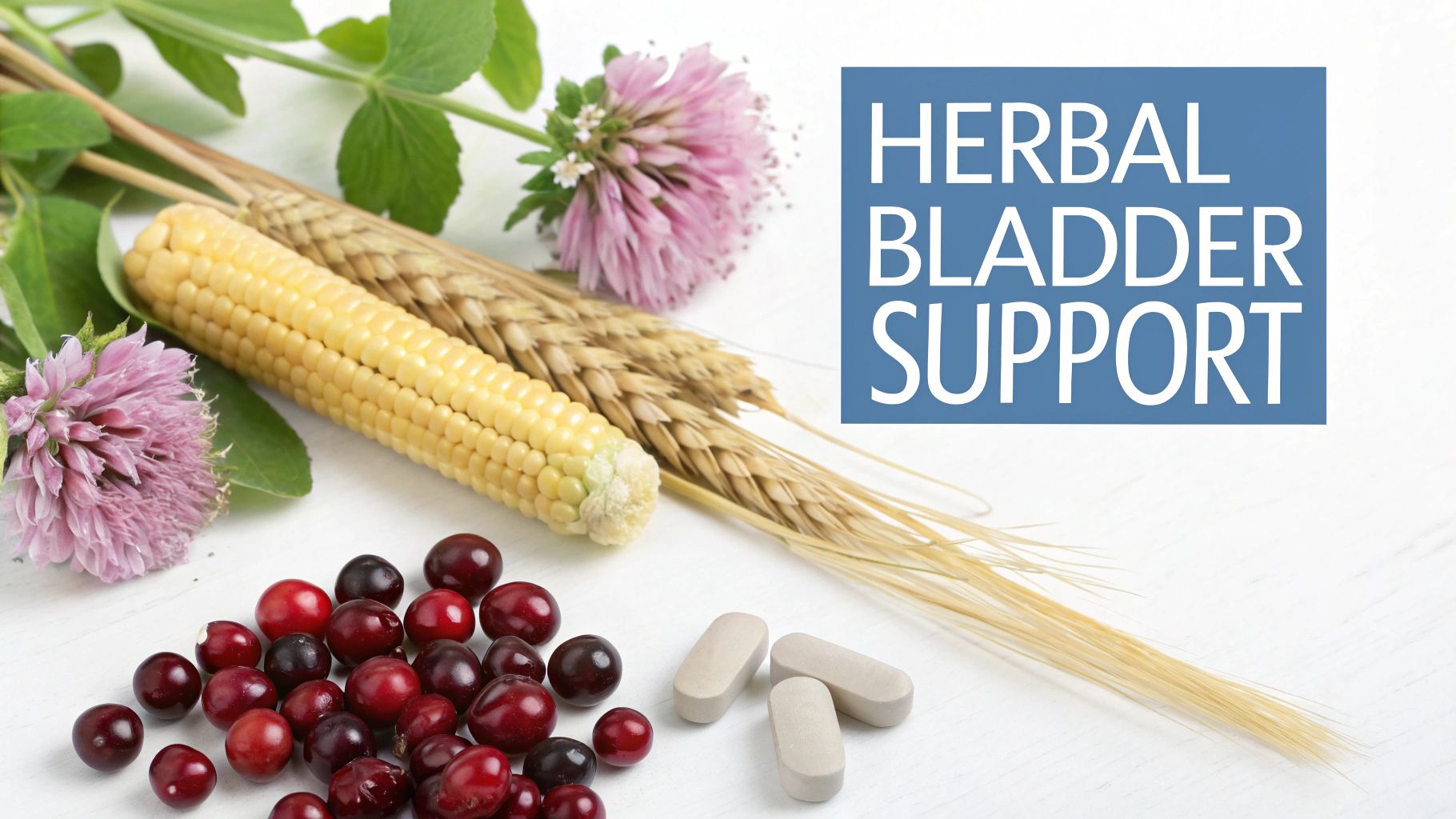
But it's absolutely vital to go into this with a clear head and an open line to your veterinarian. "Natural" doesn't automatically mean "safe for every dog." Your vet is your best partner in choosing the right options and dosages, ensuring they don’t clash with any other medications or health conditions your dog might have.
Phytoestrogens for Hormonal Balance
If your spayed female dog has incontinence caused by low estrogen (USMI), plant-based phytoestrogens can be a practical solution. They gently mimic estrogen, which can help improve the tone and strength of the urethral sphincter—the muscle that holds urine in the bladder.
Soy isoflavones and red clover are two of the most common sources. They work by binding to estrogen receptors in the urinary tract, giving a subtle signal that encourages those muscles to tighten up. It's one of the most direct dog incontinence natural remedies for this specific cause.
The goal isn't to replace hormones, but to provide a gentle, plant-based signal that helps the body regain a bit of its natural balance. Think of it as a quiet nudge rather than a forceful push.
Soothing Support from Corn Silk
It might sound odd, but those silky threads inside a corn husk have a long history of use in promoting urinary health. Corn silk is well-known for its gentle diuretic and anti-inflammatory properties, making it great for soothing irritation in the bladder and urinary tract.
This makes it a fantastic choice for dogs who might be prone to bladder inflammation or just need some general urinary tract support. You can usually find it in a powder or tincture, which makes it super easy to just mix into your dog's meals.
Cranberry and D-Mannose for UTI Defense
Is your dog's incontinence linked to recurring UTIs? If so, cranberry and D-mannose can be powerful preventative tools. It's important to remember they won't treat an active infection—you'll need antibiotics for that—but they can make it much harder for an infection to take hold in the first place.
- Cranberry: It's packed with proanthocyanidins (PACs), which basically create a "non-stick" coating on the bladder walls. This prevents nasty bacteria like E. coli from latching on and causing trouble.
- D-Mannose: This is a simple sugar that works in a similar way. Bacteria are drawn to D-mannose and bind to it instead of the bladder wall. Then, both the bacteria and the sugar are simply flushed out when your dog urinates.
Using these regularly can help break that frustrating cycle of infection and inflammation, which is a huge step toward better bladder control. Beyond herbs, exploring broader supportive care can be beneficial; for instance, understanding magnesium oil spray benefits for wellness can offer insights into how minerals support overall health.
A Quick-Reference Guide to Natural Supplements
Choosing the right supplement can feel like a guessing game. To make it easier, here's a simple table that breaks down the most common options. You can use it as a starting point for a more informed chat with your vet about what might work for your dog.
Natural Supplements for Canine Bladder Support
| Supplement | Primary Use Case | How It Helps | Key Safety Note |
|---|---|---|---|
| Phytoestrogens | Hormone-responsive incontinence in spayed females | Mimics estrogen to help tone and strengthen the urethral sphincter muscle, improving its ability to hold urine. | Must be discussed with a vet, especially for dogs with a history of certain cancers. |
| Corn Silk | General bladder irritation and inflammation | Acts as a gentle anti-inflammatory and diuretic, soothing the urinary tract and promoting healthy urine flow. | Generally safe, but vet consultation is wise for dogs with kidney issues. |
| Cranberry | Prevention of recurrent UTIs | Contains compounds (PACs) that prevent bacteria from adhering to the bladder walls, reducing infection risk. | Use unsweetened products; sugar can worsen inflammation. |
| D-Mannose | Prevention of E. coli-related UTIs | Binds to harmful bacteria, allowing them to be flushed out of the system before they can cause an infection. | Very safe, as it's a simple sugar that is not readily metabolized by the body. |
Remember, starting any new supplement requires patience. Begin with the lowest recommended dose for your dog's weight and keep a close eye on them. It helps to keep a simple log of leaking incidents, the supplement you're using, and the dosage. This gives both you and your vet solid data to track progress and make any necessary adjustments.
Smart Home and Lifestyle Management
Let's be honest, managing incontinence isn't just about diet or supplements. It's about creating a home environment that's clean, comfortable, and stress-free for both you and your dog. Think of it this way: smart lifestyle tweaks and the right home setup are powerful dog incontinence natural remedies all on their own. They can bring immediate relief, head off secondary problems like skin infections, and just make daily life feel normal again.
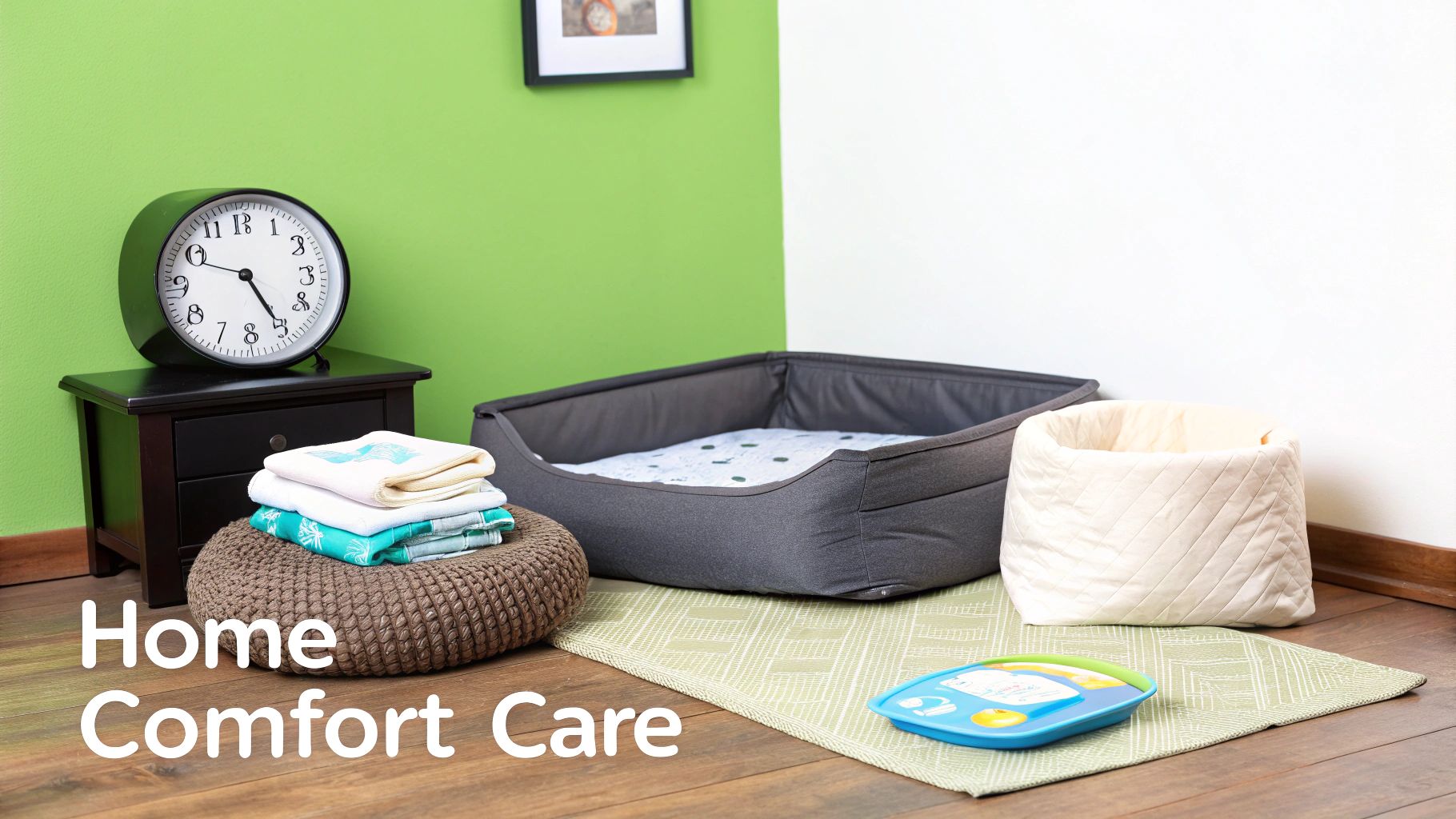
This is about shifting from reacting to messes to proactively preventing them. With just a few key changes to your home and routine, you can protect your furniture, keep your dog cozy, and maintain a space that feels happy and hygienic for everyone.
Creating an Accident-Proof Environment
Your first line of defense is protecting your dog's favorite snoozing spots. Leaks often happen when a dog is completely relaxed or asleep, which puts their bed, the sofa, or even your bed right in the line of fire. A simple fix that will save you hours of scrubbing and worry is investing in some good waterproof covers.
You'll want to look for materials that are waterproof but also soft and comfy—your dog shouldn't have to sleep on crinkly plastic. Many modern covers feel just like regular blankets or bedding. Here are a few must-haves to consider:
- Waterproof Dog Beds or Liners: Grab a bed with a removable, washable waterproof cover, or simply slip a waterproof liner under their current bedding. Easy.
- Furniture Throws: Drape a stylish, waterproof blanket over the couch or chair your dog has claimed as their own.
- Mattress Protectors: If your dog is a bed-sharer, a waterproof mattress protector is an absolute non-negotiable.
These small changes protect your home and let your dog rest easy, without you hovering and worrying about the next cleanup.
The Power of a Potty Break Schedule
One of the most effective tools in your arsenal is a simple, structured potty break schedule. By taking your dog out more often, you give their bladder a chance to empty before it can leak. This one habit can drastically cut down on indoor accidents.
Success here is all about timing and consistency. For a dog with incontinence, try to hit these key potty breaks:
- First Thing in the Morning: Their bladder is at its fullest right after waking up.
- Last Thing at Night: Get their bladder as empty as possible before they settle in for a long sleep.
- After Every Meal: Eating often gets the whole system moving and can stimulate the urge to urinate.
- Before You Leave Them Alone: A quick trip outside before you head out the door gives everyone peace of mind.
- Every 2-4 Hours During the Day: You may need to adjust this window based on your dog's individual needs.
For many dog owners I've worked with, the late-night and early-morning potty trips are the most critical. Just adding these two breaks can often solve the problem of overnight leaks entirely.
Preventing Painful Urine Scald
One of the most serious side effects of incontinence is a painful skin condition called urine scald. The constant dampness and ammonia from urine can burn and irritate the skin, leading to redness, sores, and nasty infections. Good hygiene is your best defense here.
Your goal is to keep the skin around their genital area clean and dry. If you spot a leak, clean them up right away. A soft cloth with warm water or a gentle, dog-safe cleanser works perfectly. Steer clear of harsh soaps or alcohol-based baby wipes, as they'll only dry out and irritate their sensitive skin more.
After cleaning, gently pat the area completely dry. You can then apply a thin layer of a pet-safe barrier cream, like a salve made with calendula or coconut oil, to protect the skin from any future moisture.
Embracing Washable Dog Diapers
For so many pet parents, washable dog diapers are a total game-changer. They provide a reliable, comfortable solution that gives you and your dog a huge sense of freedom and confidence back. Diapers contain any accidents, protect your home, and let your dog get back to their normal life without restrictions.
Modern washable diapers are soft, super absorbent, and adjustable for a snug fit. They prevent leaks while keeping your dog's skin as dry as possible. Plus, they’re a much more eco-friendly and cost-effective choice than disposables. If you're looking for the right style for your pup, you can check out some of the best washable dog diapers to see how they can simplify your daily routine.
By pulling all these practical home and lifestyle strategies together, you’re not just managing symptoms—you’re creating a calm, clean, and loving support system for your best friend.
Your Top Questions About Natural Incontinence Care
When you start looking into natural remedies for dog incontinence, it's normal to have a few questions pop up. Getting straight answers helps you build a care plan you can feel good about. Let's dig into some of the most common things pet parents wonder about.
How Long Until I See Results from Natural Remedies?
This is the big question, and the honest answer is: it depends. There’s no single timeline because every dog, and every cause of incontinence, is different.
For instance, if you're making dietary changes or adding supplements like phytoestrogens, you’ll need some patience. It often takes 4 to 8 weeks for these to build up in your dog’s system and show their full effect. On the other hand, simple lifestyle tweaks, like taking your dog out for more frequent potty breaks, can lead to fewer accidents almost right away. Consistency is everything here.
Can I Combine Natural Remedies with My Vet's Treatment Plan?
Absolutely! In fact, this is often the best way to manage incontinence. Think of it as a team effort where you're using every tool available. Practical things like using our washable diapers or feeding a bladder-friendly diet are a perfect match for conventional medications like Phenylpropanolamine (PPA).
The crucial part is to always, always talk to your veterinarian before adding any new herbs or supplements to your dog's routine. Some "natural" products can mess with prescription meds or cause unexpected side effects. Your vet is your best partner in creating a safe plan that supports your dog from every angle.
It's all about partnership. Conventional treatments can tackle the main physical problem, while natural support often boosts your dog's overall health and wellness. Together, they create a much stronger and more complete management plan.
Are There Any Risks I Should Know About?
Just because something is labeled "natural" doesn't automatically mean it's 100% safe. While they're often milder, some herbs can lead to an upset stomach, trigger an allergic reaction, or interfere with another health issue your dog might have. It’s also important to buy from reputable brands to make sure you're not getting a product with contaminants.
But the biggest risk by far is trying to figure this out on your own without a vet. You might be masking the signs of a more serious problem like bladder stones, a spinal injury, or even kidney disease. Delaying a proper diagnosis can allow the real issue to get worse. So, always start with a trip to the vet, introduce any new supplement slowly at a low dose, and keep a close eye on your dog. That's how you ensure you're truly helping, not accidentally harming.
Here at Pet Magasin, we know that managing incontinence is really about giving your dog comfort and dignity while keeping your home clean and your mind at ease. Our top-quality, washable dog diapers are made to help your furry friend get their freedom back. Check out all our supportive solutions today at https://www.petmagasin.com.

Leave a comment