


Your Practical Guide to Chicken Free Dog Food

Chicken is a common protein in dog food, but for some dogs, it's the hidden cause of frustrating health issues like constant itching, stomach upset, or skin flare-ups. If this sounds familiar, switching to a chicken-free dog food is a practical first step. This guide provides actionable steps to identify if chicken is the problem and how to choose a new food that supports your dog's well-being.
How to Tell if Your Dog Needs Chicken-Free Food
When a dog's immune system overreacts to a common protein like chicken, it triggers an allergic reaction. Because chicken is so prevalent in dog food, dogs are constantly exposed to it, which can increase the likelihood of developing a sensitivity over time. An immune response to this single ingredient can manifest as a variety of seemingly unrelated symptoms.
Your task is to connect these symptoms back to a potential root cause in their food bowl. Instead of treating individual issues, look for a pattern.
Step 1: Identify Key Symptoms of a Chicken Allergy
The most effective way to start is by creating a checklist of your dog's symptoms. Does your dog exhibit any of the following?
- Persistent Skin Issues: This is the most common indicator. Track instances of non-stop scratching, red or inflamed skin, painful hot spots, or recurring skin infections.
- Chronic Ear Infections: If you are frequently cleaning itchy, smelly, or gunky ears, a food sensitivity is a likely cause. Inflammation from the allergy creates a breeding ground for yeast and bacteria.
- Digestive Upset: Note any regular patterns of excessive gas, bloating, loose stools, or vomiting. These are direct signs of digestive intolerance.
Actionable Step: For one week, keep a simple log of when these symptoms appear. Note their severity and frequency. This log will be invaluable whether you are trying a new food on your own or discussing the issue with your vet. By removing the trigger (chicken), the body's internal alarm system can quiet down, allowing it to heal.
Making this change is a direct intervention that can significantly improve your dog's quality of life. Understanding these clear signs empowers you to choose a food that nourishes them without causing discomfort.
Decoding Your Dog's Allergy Symptoms
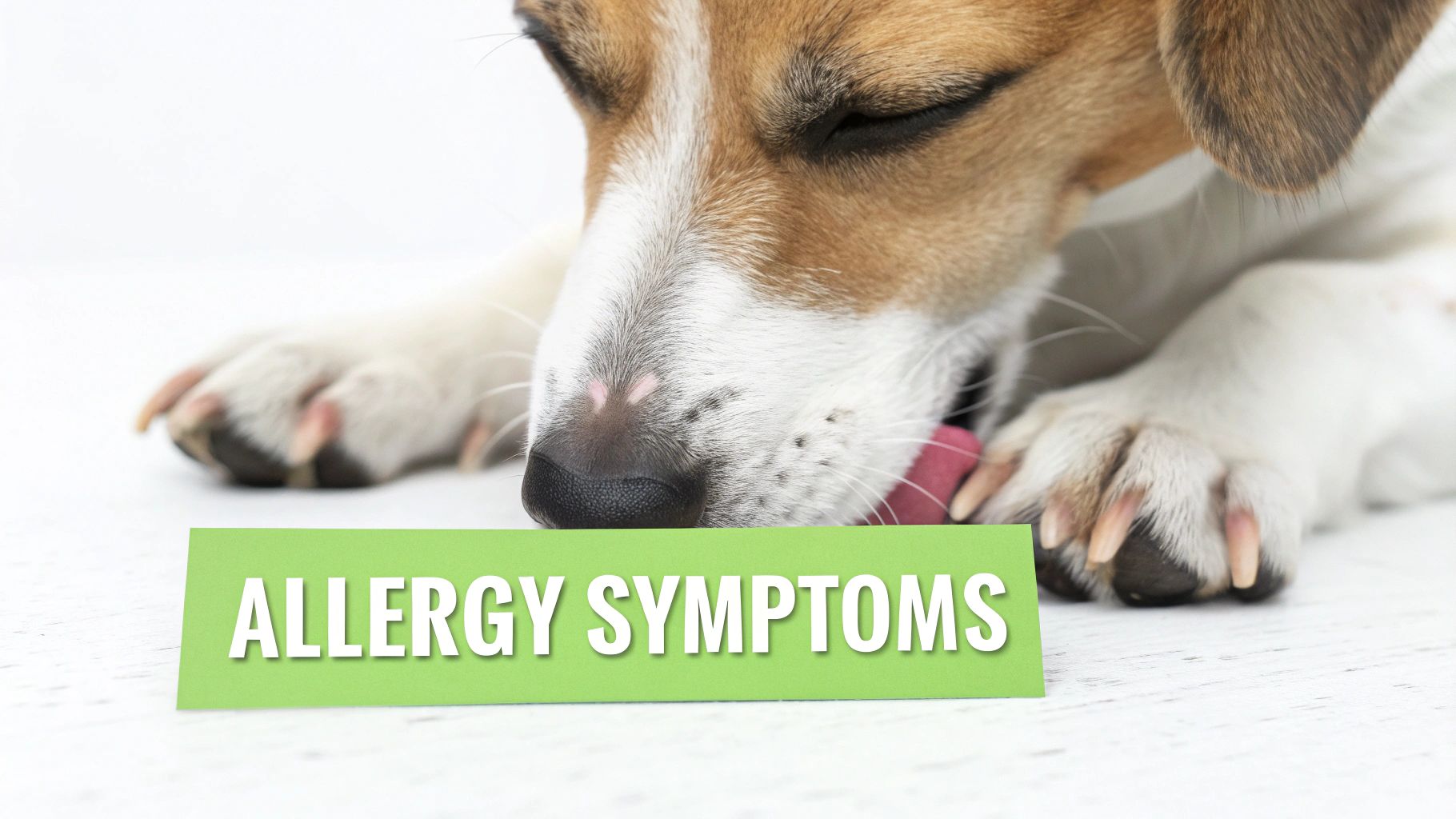
To solve the problem, you need to become a symptom detective. A chicken allergy can manifest through specific physical and behavioral clues. Paying close attention to these patterns is the first step toward finding a solution and helping your dog feel better.
Step 2: Observe Specific Behaviors and Physical Signs
Look for clear, observable evidence. Vague notions of "itchiness" aren't enough; you need specifics.
Here are the key behaviors to watch for:
- Obsessive Licking or Chewing: Are your dog's paws red, swollen, or stained brown from saliva? This is a primary sign of allergic itching.
- Constant Scratching: Document where your dog scratches most—body, ears, or neck. Note if it leads to hair loss or raw skin.
- Rubbing Against Furniture: A dog rubbing its face or body against surfaces is actively trying to relieve a severe itch.
- Hot Spots: Identify any painful patches of skin that are red, moist, and inflamed. These are a direct result of excessive licking and scratching.
For immediate relief from painful hot spots while you transition the food, use a topical treatment. A chlorhexidine spray for dogs can help keep the area clean and prevent secondary infections.
Step 3: Identify Long-Term Warning Signs
Some symptoms develop over time and can be mistaken for other issues. Connect these chronic problems to their diet.
- Chronic Ear Infections: If you treat more than two ear infections in a six-month period, a food allergy should be a prime suspect. The allergy-induced inflammation creates the ideal environment for these infections to recur.
- Gastrointestinal Distress: Consistent gas, loose stools, or occasional vomiting are clear signals that their digestive tract is inflamed and struggling with an ingredient.
Actionable Insight: If you observe a combination of itchy skin, recurring ear problems, and digestive upset, it is a strong indicator that you should investigate their food's protein source.
Step 4: Differentiate Between Food and Environmental Allergies
It can be difficult to tell if your dog is reacting to their food or something in the environment, like pollen. Use this table to help you distinguish between the two.
Food Allergy vs Environmental Allergy Symptoms
| Symptom | Commonly Associated with Food Allergy (e.g., Chicken) | Commonly Associated with Environmental Allergy (e.g., Pollen) |
|---|---|---|
| Timing | Symptoms are year-round and consistent | Symptoms are often seasonal, flaring up in spring or fall |
| Primary Itch Location | Paws, ears, and the rear end are most affected | Face, belly, armpits, and legs are common targets |
| Response to Steroids | May show limited or partial improvement | Typically responds well and quickly to steroid treatment |
| GI Symptoms | Often present (gas, diarrhea) | Rarely associated with digestive issues |
This table is a practical tool to guide your observation. Use it to inform a conversation with your veterinarian about the most likely cause. A healthy environment is also crucial, so consider managing household pet allergens as part of a comprehensive approach to your dog's comfort.
Exploring the Best Alternative Proteins
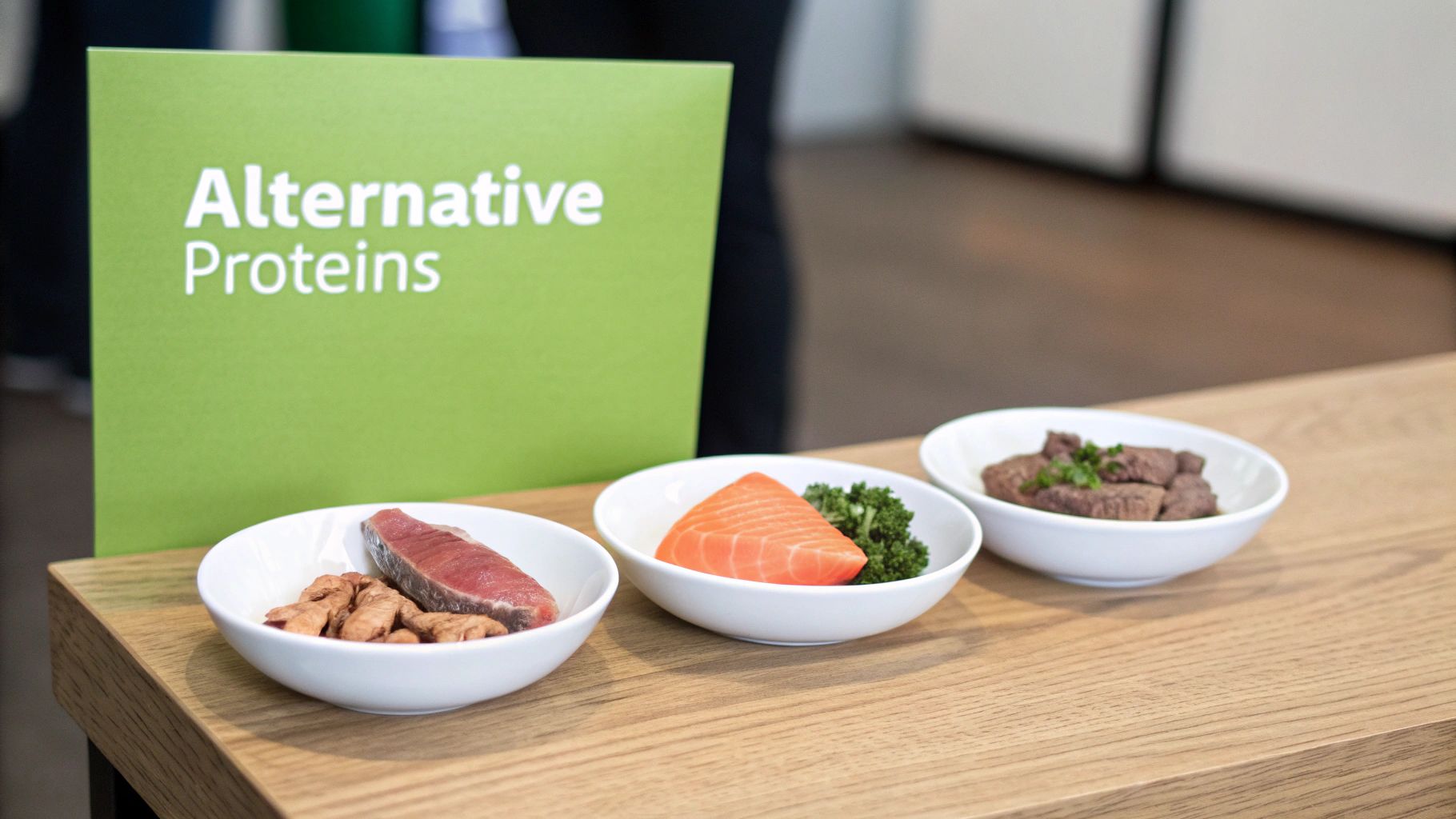
Once you've identified chicken as the likely problem, your next step is to choose a nutritious replacement. The goal is to select an alternative protein in a chicken free dog food that specifically addresses your dog's health needs. As awareness of food sensitivities grows, the market has responded with more diverse options, recognizing that up to 15% of dogs with food allergies may be sensitive to chicken.
Step 5: Choose a New Primary Protein Source
Start with a common, high-quality protein that is well-tolerated by most dogs. This is the most straightforward approach to finding a new food.
Select one of these reliable options:
- Lamb: Ideal for dogs with sensitive stomachs. Lamb is highly digestible and rich in essential amino acids for muscle maintenance.
- Beef: A great source of iron and zinc, which support a healthy immune system and energy levels. It's an excellent choice for active dogs.
- Fish (Salmon, Whitefish): Packed with anti-inflammatory omega-3 fatty acids. Fish-based foods directly target allergy-related skin problems and promote a healthy coat.
These proteins provide a complete nutritional profile, ensuring your dog gets everything they need without the chicken. They are a safe and effective starting point for an elimination diet.
Actionable Insight: Match the protein's benefits to your dog's primary symptom. If your dog suffers from dry, flaky skin, a salmon-based formula offers more targeted support than a beef recipe would.
Step 6: Consider Novel Proteins for Highly Sensitive Dogs
If your dog continues to show symptoms even after switching to beef or lamb, you may need a novel protein. A novel protein is one your dog has likely never been exposed to, which significantly reduces the chance of an allergic reaction.
These are excellent choices for dogs with severe or multiple allergies:
- Duck: A rich poultry option that is high in iron and generally easy to digest.
- Venison: A lean meat that is lower in fat and cholesterol, making it beneficial for weight management.
- Rabbit: Known as a hypoallergenic meat, rabbit is gentle on the digestive system and is a truly unique protein source for the most sensitive dogs.
- Insect Protein: A sustainable, hypoallergenic option with a complete amino acid profile, making it suitable for dogs with sensitivities to multiple traditional meats.
While less common, some diets also use plant-based proteins. You can find more information in this a comprehensive guide to plant-based diets. Your final choice should be based on your dog's specific health needs and your veterinarian's recommendation.
How to Read Labels and Avoid Hidden Chicken
Simply picking a bag labeled "Lamb Recipe" isn't enough. Pet food labeling regulations can allow chicken to be included in foods where you wouldn't expect it. To ensure a food is truly chicken-free, you must learn to analyze the ingredient list on the back of the bag. This is your most important tool.
The ingredient panel lists all components by weight, from heaviest to lightest. Your task is to scan this list for any form of chicken, even if it's disguised under a vague name.
Step 7: Identify and Avoid Hidden Chicken Ingredients
Chicken is often used as a cheap source of fat and flavor, appearing on labels under generic terms. Memorize these red flags to avoid them when shopping for a chicken-free dog food.
Look for these common hidden sources:
- Poultry Fat or Animal Fat: Unless the source is specified (e.g., "beef fat"), this generic term often contains chicken fat. If the animal isn't named, assume it could be chicken.
- Poultry Broth or Animal Broth: Used for moisture and flavor, a non-specific "poultry" or "animal" broth is a high-risk ingredient.
- Natural Flavors: This is a notoriously vague term. "Natural flavors" can be derived from any plant or animal source, and chicken is a very common base. If the company does not specify the source, avoid it.
- Hydrolyzed Protein: While used in some hypoallergenic diets, the source must be specified (e.g., "hydrolyzed soy protein"). If the label only says "hydrolyzed animal protein," it could contain chicken.
Actionable Rule: If an ingredient is listed generically as 'animal,' 'poultry,' or 'natural flavor' without specifying the source animal, do not buy the food. True transparency means every ingredient is clearly identified.
Comparing Good vs. Misleading Labels
Here is a practical comparison. Imagine two "Lamb Recipe" dog foods.
A Misleading Label Might List:
Lamb, Brewers Rice, Corn Gluten Meal, Poultry Fat (preserved with mixed tocopherols), Wheat, Natural Flavor, Dried Beet Pulp...
A Truly Chicken-Free Label Would List:
Deboned Lamb, Lamb Meal, Brown Rice, Oatmeal, Barley, Pork Fat (preserved with mixed tocopherols), Flaxseed, Lamb Broth, Dried Plain Beet Pulp...
The second label provides complete transparency, specifying that the fat and broth come from non-chicken sources. Mastering this skill is crucial. You can learn more by reading about the major reasons why you should read dog treat ingredient labels to ensure all of your dog's food is safe.
Making a Smooth Transition to a New Food
You've selected a promising chicken-free dog food. The final step is to introduce it correctly to avoid digestive upset. Switching food too quickly, even to a healthier option, can cause gas, bloating, and diarrhea. A gradual transition is essential to allow your dog's digestive system to adapt.

This process requires you to move past marketing claims and become an ingredient expert. Flip the bag over and scrutinize the fine print to confirm the food is safe for your sensitive dog.
Step 8: Follow the 7-Day Transition Plan
A slow, methodical introduction is the best practice for any diet change. This plan allows the gut microbiome to adjust by gradually mixing the new food with the old.
Use this simple schedule for a successful transition:
- Days 1-2: Mix 75% old food with 25% new food.
- Days 3-4: Adjust to a 50/50 ratio of old and new food.
- Days 5-6: Increase to 25% old food and 75% new food.
- Day 7: Serve 100% of the new chicken-free food.
This gradual approach is key to preventing digestive issues and is a core principle in modern pet nutrition.
Step 9: Monitor Your Dog During the Transition
During this week, closely observe your dog's stool consistency, energy levels, and appetite. A slightly softer stool for a day or two is normal as their system adapts to new proteins and fibers.
Actionable Step: If you notice significant diarrhea, vomiting, or a complete loss of appetite, pause the transition. Revert to the previous food ratio for two days before attempting to move forward again.
If digestive problems persist, a temporary reset may be necessary. Providing a simple meal can calm their system. You can learn how to prepare a dog bland diet to soothe their stomach before resuming the transition.
Frequently Asked Questions
Changing your dog’s diet raises many questions. Here are clear, direct answers to the most common concerns about switching to chicken-free food.
How Long Until I See Results on a Chicken-Free Diet?
You can expect to see digestive improvements, such as firmer stools, within a few days. However, for chronic skin issues like itching and inflammation, you must commit to the new diet for at least 8-12 weeks.
This time frame is necessary for your dog's body to reduce inflammation and fully heal. Consistency is crucial for seeing the full benefits.
Is Grain-Free the Same as Chicken-Free?
No. This is a common point of confusion. "Grain-free" means the food does not contain grains like corn, wheat, or soy. However, many grain-free foods still use chicken as the primary protein.
To find a suitable food, you must specifically look for a "chicken-free" formula and verify this by reading the entire ingredient list.
Key takeaway: A food can be grain-free and contain chicken, or it can contain grains and be chicken-free. The ingredient panel is the only reliable source of information.
If My Dog Is Allergic to Chicken, Can They Eat Turkey or Eggs?
Proceed with caution. Some dogs with a chicken sensitivity also react to other poultry, such as turkey and duck, as well as eggs, due to cross-reactivity between similar proteins.
If you switch to a turkey-based food and symptoms persist, you will need to try a non-poultry protein like lamb, beef, or fish. In complex cases, your veterinarian may recommend a formal elimination diet to precisely identify all trigger ingredients.
For all the high-quality supplies your cherished pet needs, from grooming tools to travel carriers, trust Pet Magasin. Explore our products and find everything you need to keep your best friend happy and healthy at https://www.petmagasin.com.

Leave a comment