


Find the Best Dog Diapers for Incontinence: An Actionable Guide

When you're searching for the best dog diapers for incontinence, the right choice comes down to your dog's specific medical needs and your daily routine. Actionable tip: For long-term incontinence, start with washable diapers. They offer superior comfort and are more budget-friendly. Reserve disposable diapers for travel, post-surgery recovery, or as a temporary backup.
Understanding Dog Incontinence and Diaper Solutions
Discovering your dog is incontinent can be distressing. It's crucial to understand this is an involuntary medical issue, not a behavioral problem. Your dog has no control over it. Leaking isn't their fault, and identifying the cause is your first practical step.
Take this action first: Schedule a vet visit to diagnose the root cause. Common reasons for incontinence include:
- Aging: Senior dogs often have weaker bladder muscles, leading to leaks, especially during sleep.
- Spay Incontinence: A drop in estrogen after spaying can weaken the bladder sphincter. This impacts up to 20% of spayed female dogs.
- Medical Conditions: Urinary tract infections (UTIs), bladder stones, or spinal injuries can all cause incontinence. A vet can prescribe treatment.
- Mobility Issues: Arthritis can make it too painful for a dog to get up and go outside in time. Diapers are an effective part of a plan for managing arthritis pain in dogs and maintaining home hygiene.
Diapers as a Compassionate Management Tool
View dog diapers as a practical, compassionate tool that gives your pet back their dignity and you, your peace of mind. A diaper allows your dog to remain a part of the family—snuggling on the couch or sleeping in your room—without constant worry about accidents. This direct integration is vital for their emotional well-being.
A good diaper does more than just contain messes; it improves your dog's quality of life, letting them stay a clean, happy, and fully-integrated member of the family.
By choosing the right diaper, you can manage the situation without stress. This guide will give you the actionable steps to do just that, from selecting a type to ensuring a perfect fit. To see some great options, take a look at our collection of pet incontinence solutions.
Here’s a quick action plan based on the cause:
| Cause of Incontinence | Common in | Your Action Plan |
|---|---|---|
| Age-Related Weakness | Senior dogs (8+ years) | Invest in soft, washable diapers for comfortable long-term wear. |
| Spay Incontinence | Spayed female dogs of any age | Choose a diaper with a highly absorbent core to handle sudden leaks. |
| Medical Issues (e.g., UTI) | Dogs with underlying health conditions | Use diapers to manage symptoms while your vet treats the root cause. |
| Mobility Problems | Dogs with arthritis or injuries | Select diapers with easy-to-use closures that you can put on a standing dog. |
Choosing Between Washable And Disposable Diapers
The choice between washable and disposable diapers impacts your budget, lifestyle, and your dog's comfort. This isn't just about laundry—it's about matching the product to the situation. Let's move beyond pros and cons to practical, real-world scenarios that will help you decide.
The core decision is between immediate convenience (disposable) and long-term value (washable). Knowing which to use and when is the key to successful management.
When Disposables Make The Most Sense
Convenience is a powerful tool in specific situations. Disposable diapers are the ideal solution for short-term needs where laundry is impractical.
Here are actionable scenarios where disposables are the better choice:
- Post-Surgery Recovery: After a procedure like a spay or neuter, your dog may have temporary incontinence. Disposables provide a sterile, no-fuss way to manage this during healing.
- Travel and Outings: Packing and carrying soiled washable diapers on a trip is difficult. Use disposables to keep things simple and hygienic when you're away from home.
- Trying Diapers for the First Time: If you're unsure if diapers will work for your dog, a small pack of disposables is a low-cost way to test the concept before investing in a set of reusables.
This image helps show some of the common reasons a dog might need diapers in the first place, from aging to underlying medical issues.
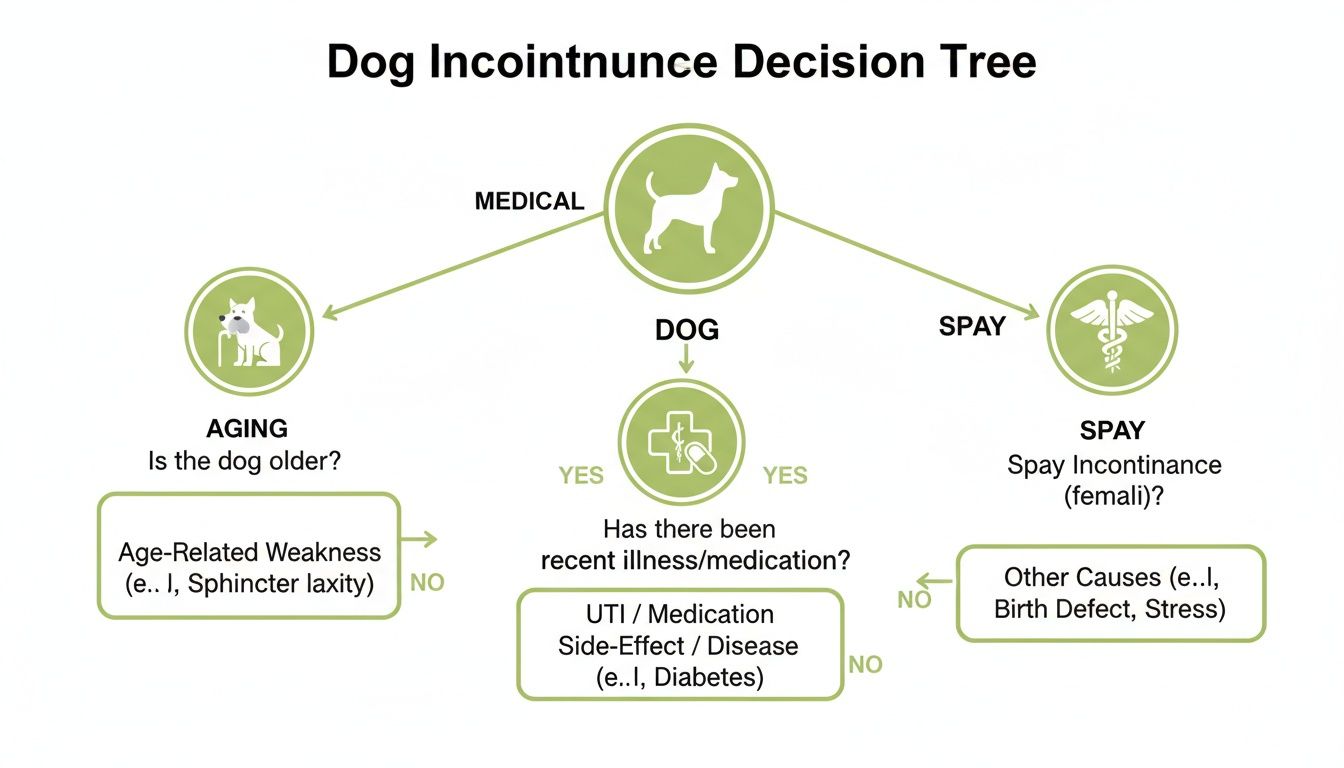
As you can see, incontinence has many causes, which highlights why your diaper choice should match the specific duration and severity of your dog's condition.
The Case For Washable Diapers
For any dog with chronic, long-term incontinence, washable diapers are the most effective and economical choice. They excel in cost, comfort, and sustainability. While there is an upfront investment and a laundry routine, the long-term benefits are significant, much like the benefits of machine washable materials for easy care for other items in your home.
For instance, Pet Magasin's washable diapers use soft, breathable fabrics that prevent the chafing and skin irritation common with disposables during daily, continuous wear. This is a critical factor for your dog's health.
Over the lifespan of a dog with chronic incontinence, a pet owner can save hundreds, if not thousands, of dollars by choosing reusable diapers over their disposable counterparts.
This financial impact is a key decision point. The cost of a multi-pack of washable diapers is often recouped within just two months compared to the ongoing expense of disposables. To learn more, explore our complete guide on the best washable dog diapers.
Washable vs. Disposable: A Situational Comparison
The demand for effective dog incontinence solutions is growing. With pet ownership in over 150 million households globally, more owners need practical management tools. Currently, the market is dominated by disposables (64% of sales) due to their convenience. However, washable diapers are rapidly gaining ground with eco-conscious and budget-savvy owners.
Use this table to make a data-driven decision for your specific situation:
| Factor | Washable Diapers | Disposable Diapers | Best For... |
|---|---|---|---|
| Long-Term Cost | Lower overall cost. | Higher cumulative cost. | Owners managing chronic, daily incontinence. |
| Upfront Cost | Higher initial investment. | Lower initial investment. | Owners trying diapers for the first time or for short-term use. |
| Convenience | Requires regular washing. | Grab-and-go ease. | Travel, post-surgical recovery, or occasional needs. |
| Comfort | Soft, breathable fabric. | Can cause chafing with long-term use. | Dogs with sensitive skin or who wear diapers 24/7. |
| Eco-Impact | Minimal waste. | Contributes to landfill waste. | Environmentally conscious pet owners. |
| Absorbency | Excellent for moderate to heavy flow. | Varies by brand; good for all levels. | Both can work, but washables often provide more reliable long-term absorbency. |
Actionable Strategy: Implement a hybrid system. Use reliable washable diapers, like those from Pet Magasin, for daily home use to maximize comfort and savings. Keep a pack of disposables on hand specifically for travel or emergencies. This gives you the best of both worlds.
How to Measure and Ensure the Perfect Diaper Fit
A correct fit is non-negotiable for a diaper to work. Too loose, and it will leak. Too tight, and it will cause painful chafing. Achieving a secure fit requires precise measurement and understanding key design features, not guesswork.
First, know the product types. Male wraps (belly bands) are for urinary incontinence only; they wrap around the midsection. Full diapers are essential for female dogs and any dog with fecal incontinence, as they provide complete rear coverage.
The market for female dog diapers, now valued at over USD 500 million, reflects the growing need for anatomically correct solutions for issues like post-spay incontinence. This has driven innovation, leading to better-fitting products. You can read more about the growth of the female dog diaper market on marketreportanalytics.com.
A Step-By-Step Guide to Measuring Your Dog
To prevent leaks and discomfort, grab a soft measuring tape and follow these steps before you buy:
- Measure the Waist: With your dog standing, wrap the tape around their narrowest point, just in front of their hind legs. The tape should be snug but allow you to slide two fingers underneath.
- Consult the Brand's Size Chart: Do not assume sizing is consistent across brands. Always compare your measurement to the specific chart provided by the manufacturer.
- If Between Sizes, Size Up: It is almost always better to choose the larger size. Quality diapers from brands like Pet Magasin have adjustable closures that can create a snugger fit. A diaper that's too small is unusable.
Pro Tip: Always measure your dog when they're calm and standing naturally. Trying to measure while they're sitting, lying down, or anxious can give you wrong numbers and lead to a bad fit.
Critical Design Features That Guarantee a Secure Fit
Beyond waist size, specific design elements determine whether a diaper stays on and prevents leaks. Look for these features to separate a reliable product from a frustrating one.
Adjustable and Fur-Friendly Closures
The fasteners are critical for a customized fit. Seek out wide, "fur-safe" Velcro or hook-and-loop tabs that won't snag your dog's coat. This adjustability allows you to perfect the fit, even accommodating slight weight fluctuations.
Elastic Edges and Leak-Proof Leg Gussets
A diaper's edges are its primary defense against leaks. The best diapers feature gentle but firm elastic gathers around the leg openings and waist. This creates a soft seal, known as a leg gusset, that conforms to your dog's body and prevents gaps where urine can escape.
Proper Tail-Hole Placement and Size
The tail hole is crucial for proper fit. A well-placed hole allows the diaper to sit correctly on your dog's rear without pulling or gaping. If it's too large, it's a leak risk; too small, and it will cause irritation. A good design ensures the hole is functional without compromising the diaper's integrity.
The Key Features of a Top-Notch Dog Diaper
Once you know the type and size, focus on the details that define quality. A great fit is the start, but the materials and construction determine a diaper's true reliability. Knowing what to look for will help you find the best dog diapers for incontinence that keep your dog comfortable and your home clean.
Let's dissect the components of a superior diaper. Each part plays a specific role in performance.
A Closer Look at Absorbency
The core is the diaper's engine. For minor drips, a single-layer pad may suffice. However, for moderate to heavy urinary incontinence, you need a multi-layer microfiber core. These advanced cores are engineered to rapidly pull moisture away from the skin and lock it away, a process known as wicking. This is critical for preventing painful diaper rash, especially for dogs wearing diapers overnight.
A diaper’s most important job is keeping your dog’s skin dry. Always look for diapers that call out their multi-layer construction or rapid-wicking technology. That’s your sign they’re built for heavy-duty use and better skin health.
Why You Need a Leak-Proof and Breathable Design
A waterproof outer layer is essential, but it must also be breathable. A non-breathable plastic shell traps heat and moisture, creating a breeding ground for bacteria and skin infections.
High-quality dog diapers use advanced materials like PUL (polyurethane laminate). This fabric is fully waterproof but allows air to circulate, preventing moisture buildup. This combination contains messes without compromising your dog's skin health.
A superior leak-proof design checklist:
- A Waterproof Outer Shell: Your primary barrier against leaks.
- Breathable Fabric: Allows airflow to prevent heat and moisture buildup.
- Strong Elastic Gathers: Creates a secure seal around legs and waist to eliminate gaps.
When these three elements work together, you have a diaper that is both secure and comfortable enough for all-day wear.
Odor Control: A Must-Have for a Fresh Home
Effective incontinence management is about controlling odor as well as wetness. Lingering ammonia smells can make your home unpleasant. While no diaper eliminates odor entirely, certain materials are far better at neutralizing it.
Look for fabrics with natural antimicrobial properties, like bamboo or charcoal-infused layers. In washable diapers, these help reduce odors between washes. However, your best defense is a highly absorbent core that quickly locks away urine, preventing the ammonia smell that develops upon exposure to air. Choosing a diaper with effective odor control is a quality-of-life feature for your entire household.
Daily Diaper Use and Care for Your Dog
Integrating dog diapers into your daily life quickly becomes a simple routine. The goal is to keep your dog comfortable and your home clean through a consistent, calm approach.
Mastering this system is the key to stress-free incontinence management. Prioritize your dog's health by following these practical steps for diaper changes and hygiene.
Making Diaper Changes a Positive Experience
For anxious dogs, turn diaper changes into a positive event. It should never feel like a punishment. Use a calm voice, offer high-value treats, and provide plenty of praise.
Follow this process for a smoother experience:
- Prepare Your Station: Choose a quiet, non-slip surface and have diapers, wipes, and treats ready before you get your dog.
- Reward Calm Behavior: Give your dog a treat for coming to the station and staying calm during the change.
- Use an Efficient Technique: Slide their tail through the hole first, then wrap the diaper around their waist and secure the tabs. This is faster and less stressful than other methods.
With consistency, your dog will associate diaper time with rewards and will learn to stand patiently.
Establishing a Healthy Changing Schedule
A strict changing schedule is non-negotiable for preventing health issues. A soiled diaper left on too long can lead to painful diaper rash, skin infections, and urinary tract infections (UTIs).
As a rule of thumb, check the diaper every 2-3 hours. If it's soiled or feels wet, change it right away. Staying on top of this is the single best thing you can do for your dog's skin and health.
At every change, use a pet-safe wipe to clean the area. Ensure their skin and fur are completely dry before putting on a fresh diaper. This simple step is your best tool for preventing skin irritation.
How to Properly Wash Reusable Diapers
A proper washing routine is essential for the longevity and hygiene of reusable diapers. This process prevents odor buildup and protects the waterproof layer.
Follow this simple, effective wash process:
- Pre-Rinse Immediately: As soon as you remove a soiled diaper, rinse it under cold water to remove waste. Avoid hot water, which can set urine stains.
- Wash with a Pet-Safe Detergent: Use a fragrance-free, dye-free detergent. Harsh chemicals and perfumes can irritate your dog's skin.
- Add a Deodorizing Booster: For persistent odors, add a half-cup of white vinegar to the rinse cycle. It acts as a natural deodorizer and fabric softener without leaving residue.
- Air-Dry for Durability: While you can tumble dry on low, air-drying is the best practice. It preserves the elasticity and waterproof lining, ensuring your diapers last longer and remain leak-proof.
Maintaining a rotation of clean diapers is the most cost-effective and compassionate way to manage long-term incontinence.
Why Pet Magasin Diapers Are a Top Washable Choice
For long-term incontinence, you need a diaper that is comfortable, durable, and completely leak-proof. Pet Magasin's washable diapers are engineered to solve these exact problems, combining smart design with high-quality materials to create a reliable daily solution.
A key feature is the super-absorbent, multi-layer core. For dogs with moderate to heavy leakage, this is a game-changer. It rapidly wicks moisture away from the skin, preventing the rashes and irritation that cause discomfort. The goal is to keep your dog dry and comfortable, even when wearing the diaper for extended periods.
This focus on quality is crucial in a growing market. The global pet diaper market, valued at over USD 363 million, is projected to grow by 9.15% annually as more owners seek hygienic solutions for their pets, especially seniors. You can dive deeper into the research on pet diaper market trends at grandviewresearch.com.
Thoughtful Design for Real-World Use
Pet Magasin diapers are engineered for a perfect, secure fit. They feature a waterproof but breathable outer layer that stops leaks without trapping heat and moisture—a vital detail for maintaining healthy skin and preventing chafing.
Another practical feature is the fur-safe velcro closures. These tabs allow for easy adjustments to achieve a snug fit without painfully pulling on your dog's hair. This ensures the diaper stays securely in place, even on active dogs.
By combining a multi-layer absorbent core with a secure, adjustable fit, Pet Magasin diapers deliver the two most critical features for managing incontinence effectively: superior leak protection and long-lasting comfort.
A Durable and Cost-Effective Solution
Choosing washable diapers is an investment in your dog's long-term care. Pet Magasin's diapers are built to withstand hundreds of wash cycles, making them a significantly more affordable and sustainable option than disposables. Their durable construction ensures they retain their shape and absorbency over time.
This makes them an ideal choice for pet owners looking for the best dog diapers for incontinence that deliver on both performance and value. They directly address the real-world challenges of incontinence, making them a top-tier solution for long-term management.
To see all the sizes and styles for yourself, you can explore the full collection of Pet Magasin's washable diapers on our site.
Dog Diaper FAQs: Your Questions Answered
Even with the right diaper, questions can arise. Here are quick, actionable answers to the most common concerns from pet owners managing incontinence.
How Often Should I Change My Dog's Diaper?
Check the diaper every 2-3 hours while your dog is awake. Change it immediately if it is wet or soiled. Do not wait.
This simple habit is the most effective way to prevent painful diaper rash, skin infections, and urinary tract infections (UTIs). A clean, dry dog is a healthy dog.
What If My Dog Keeps Taking The Diaper Off?
If your dog is an escape artist, the issue is almost always fit or comfort. First, perform the two-finger test: you should be able to slide two fingers snugly under the waistband. If it's looser, tighten it. If it's tighter, it's too small and causing discomfort.
Next, use positive reinforcement. The instant you secure the diaper, give your dog a high-value treat (like a small piece of cheese or chicken). This builds a positive association.
Our Take: A happy dog is a compliant dog. Positive reinforcement with treats and praise is usually far more effective than just cinching the straps tighter. A comfy fit paired with a positive experience can stop escape attempts better than anything else.
Can My Dog Wear A Diaper Overnight?
Yes, an overnight diaper is often necessary. Use a diaper with maximum absorbency, like a high-quality washable with a multi-layer core, to last the longer duration.
Your routine should be:
- Put on a fresh, clean diaper right before you go to bed.
- Change it first thing in the morning.
- Clean your dog thoroughly with a pet-safe wipe during the morning change.
For a reliable, comfortable, and super-absorbent solution built for both day and night, check out the full range of washable dog diapers from Pet Magasin. Find the perfect fit for your best friend at https://www.petmagasin.com.

Leave a comment